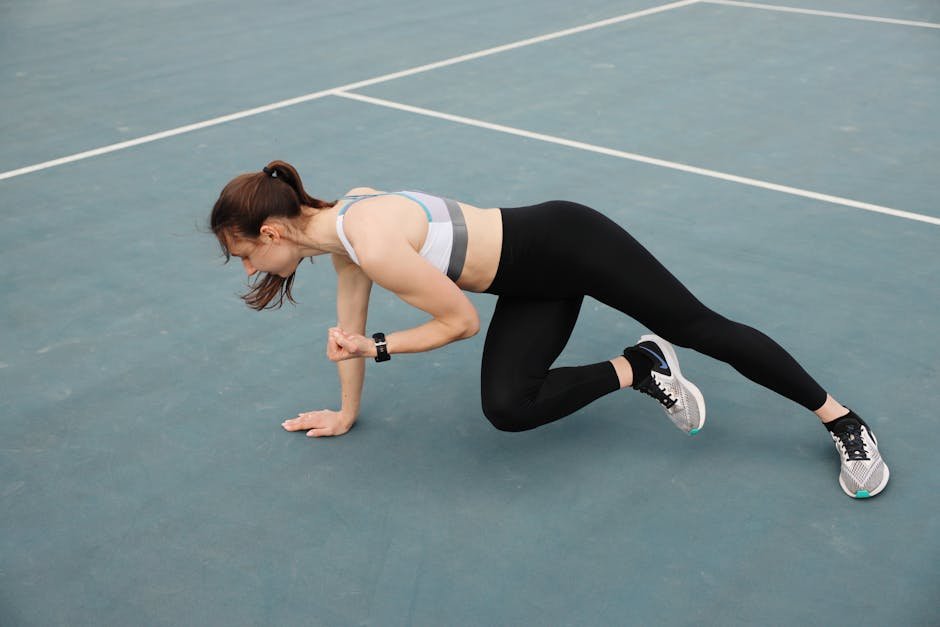
Stretching Exercises for Beginners: Improve Flexibility
Understanding the Fundamentals of Flexibility
Flexibility, the range of motion in your joints, is often overlooked but crucial for overall health and well-being. It impacts everything from athletic performance and injury prevention to posture and everyday movement. Before diving into specific stretches, understanding the underlying principles is essential. Flexibility isn’t just about touching your toes; it’s about the suppleness of your muscles, tendons, and ligaments that surround your joints. Limited flexibility can lead to muscle imbalances, pain, and an increased risk of injuries like muscle strains and tears.
Types of Stretching: Static, Dynamic, and PNF
There are several types of stretching, each with unique benefits and applications:
-
Static Stretching: This involves holding a stretch in a stationary position for a specific duration, typically 15-30 seconds. It’s best performed after a workout or when muscles are already warm, as it can temporarily reduce muscle power if done beforehand. Static stretching is effective for improving overall flexibility and range of motion.
-
Dynamic Stretching: Dynamic stretches involve controlled movements that take your joints through their full range of motion. Examples include arm circles, leg swings, and torso twists. Dynamic stretching is ideal as a warm-up before exercise, as it increases blood flow to muscles and prepares them for activity.
-
Proprioceptive Neuromuscular Facilitation (PNF) Stretching: PNF stretching is an advanced technique that involves contracting and relaxing muscles to achieve a greater range of motion. It often requires a partner and is typically used by athletes or individuals seeking to improve their flexibility significantly. Common PNF techniques include hold-relax and contract-relax methods. While highly effective, PNF stretching should be approached cautiously and ideally under the guidance of a qualified professional.
For beginners, focusing on static and dynamic stretching is recommended. PNF can be explored later with proper instruction.
Safety First: Guidelines for Stretching Effectively
Stretching, while beneficial, can also lead to injury if not performed correctly. Adhering to these safety guidelines is paramount:
-
Warm-up Before Stretching: Never stretch cold muscles. Engage in light cardio activity, such as walking or jogging, for 5-10 minutes to increase blood flow and muscle temperature.
-
Proper Form: Maintain correct posture and alignment during each stretch. Avoid rounding your back or locking your joints. If you are unsure about the proper form, consult a physical therapist or certified trainer.
-
Breathe Deeply: Breathe slowly and deeply throughout each stretch. Avoid holding your breath, as this can increase muscle tension and decrease the effectiveness of the stretch. Inhale as you prepare for the stretch and exhale as you move into the stretch.
-
Stretch to Mild Tension, Not Pain: You should feel a gentle pull or stretch in the muscle, but it should never be painful. If you experience sharp or shooting pain, stop immediately.
-
Hold Each Stretch for the Appropriate Duration: For static stretches, hold each stretch for 15-30 seconds. For dynamic stretches, perform 10-15 repetitions of each movement.
-
Listen to Your Body: Pay attention to your body’s signals. If you feel any discomfort or pain, stop the stretch immediately. Don’t force yourself into a position that feels unnatural or painful.
-
Consistency is Key: Flexibility improvements require consistency. Aim to stretch regularly, ideally several times a week.
Essential Stretches for Beginners: A Detailed Guide
These stretches are suitable for beginners and target major muscle groups, promoting overall flexibility.
-
Neck Stretches (Static):
- Chin to Chest: Gently lower your chin towards your chest until you feel a stretch in the back of your neck. Hold for 15-30 seconds.
- Ear to Shoulder: Tilt your head to the right, bringing your right ear towards your right shoulder. Gently increase the stretch by placing your right hand on the left side of your head. Hold for 15-30 seconds. Repeat on the left side.
- Neck Rotation: Slowly turn your head to the right, looking over your right shoulder. Hold for 15-30 seconds. Repeat on the left side.
- Caution: Perform these stretches gently, especially if you have any neck pain or stiffness.
-
Shoulder Stretches (Static):
- Cross-Body Arm Stretch: Extend your right arm across your body. Use your left hand to gently pull your right arm closer to your chest. Hold for 15-30 seconds. Repeat on the left side.
- Overhead Triceps Stretch: Raise your right arm overhead and bend your elbow, reaching your hand down towards your upper back. Use your left hand to gently pull your right elbow further down. Hold for 15-30 seconds. Repeat on the left side.
- Doorway Chest Stretch: Stand in a doorway and place your forearms on the doorframe, with your elbows bent at a 90-degree angle. Gently lean forward until you feel a stretch in your chest. Hold for 15-30 seconds.
-
Back Stretches (Static):
- Cat-Cow Stretch (Dynamic/Static): Start on your hands and knees, with your hands directly under your shoulders and your knees directly under your hips. For the “cat” pose, arch your back towards the ceiling, tucking your chin to your chest. For the “cow” pose, drop your belly towards the floor, lifting your head and tailbone. Perform 10-15 repetitions, moving slowly between the two poses. You can also hold each position for 15-30 seconds for a static stretch.
- Seated Spinal Twist: Sit on the floor with your legs extended in front of you. Bend your right knee and place your right foot on the outside of your left thigh. Twist your torso to the right, placing your left elbow on the outside of your right knee. Look over your right shoulder. Hold for 15-30 seconds. Repeat on the left side.
- Child’s Pose: Start on your hands and knees. Sit back on your heels and extend your arms forward, resting your forehead on the floor. Hold for 30-60 seconds.
-
Hip Stretches (Static):
- Butterfly Stretch: Sit on the floor with your knees bent and the soles of your feet together. Gently press your knees towards the floor. Hold for 15-30 seconds.
- Pigeon Pose (Modified): Start on your hands and knees. Bring your right knee towards your right wrist, and your right foot towards your left hip. Lower your hips towards the floor. If this is too intense, you can modify the pose by bringing your right knee closer to your chest. Hold for 30-60 seconds. Repeat on the left side.
- Hip Flexor Stretch (Kneeling): Kneel on your right knee, placing your left foot flat on the floor in front of you. Gently push your hips forward until you feel a stretch in the front of your right hip. Hold for 15-30 seconds. Repeat on the left side.
-
Hamstring Stretches (Static):
- Seated Hamstring Stretch: Sit on the floor with your legs extended in front of you. Reach forward towards your toes, keeping your back straight. Hold for 15-30 seconds.
- Standing Hamstring Stretch: Place your right foot on a slightly elevated surface, such as a step or chair. Keep your leg straight and lean forward from your hips. Hold for 15-30 seconds. Repeat on the left side.
- Lying Hamstring Stretch: Lie on your back with your knees bent. Bring your right knee towards your chest and extend your right leg towards the ceiling. Use your hands to gently pull your leg closer to your chest. Hold for 15-30 seconds. Repeat on the left side.
-
Quadriceps Stretches (Static):
- Standing Quadriceps Stretch: Stand holding onto a chair or wall for balance. Bend your right knee and grab your right foot with your right hand. Gently pull your heel towards your buttock. Hold for 15-30 seconds. Repeat on the left side.
- Lying Quadriceps Stretch: Lie on your stomach. Bend your right knee and grab your right foot with your right hand. Gently pull your heel towards your buttock. Hold for 15-30 seconds. Repeat on the left side.
-
Calf Stretches (Static):
- Standing Calf Stretch: Stand facing a wall. Place your hands on the wall and step one foot back, keeping your heel on the ground and your leg straight. Lean towards the wall until you feel a stretch in your calf. Hold for 15-30 seconds. Repeat on the other side.
- Bent-Knee Calf Stretch: Perform the same stretch as above, but bend your back knee slightly. This will target a different part of the calf muscle.
Building a Stretching Routine: A Sample Plan
Here’s a sample stretching routine for beginners, which can be modified to fit your individual needs and preferences:
- Warm-up: 5-10 minutes of light cardio, such as walking or jogging.
- Neck Stretches: 15-30 seconds each side (Chin to chest, ear to shoulder, neck rotation)
- Shoulder Stretches: 15-30 seconds each side (Cross-body arm stretch, overhead triceps stretch, doorway chest stretch)
- Back Stretches: Cat-cow (10-15 reps), Seated Spinal Twist (15-30 seconds each side), Child’s Pose (30-60 seconds)
- Hip Stretches: Butterfly Stretch (15-30 seconds), Pigeon Pose (30-60 seconds each side), Kneeling Hip Flexor Stretch (15-30 seconds each side)
- Hamstring Stretches: Seated Hamstring Stretch (15-30 seconds), Standing Hamstring Stretch (15-30 seconds each side), Lying Hamstring Stretch (15-30 seconds each side)
- Quadriceps Stretches: Standing Quadriceps Stretch (15-30 seconds each side), Lying Quadriceps Stretch (15-30 seconds each side)
- Calf Stretches: Standing Calf Stretch (15-30 seconds each side), Bent-Knee Calf Stretch (15-30 seconds each side)
- Cool-down: 5 minutes of light walking or deep breathing.
Progressing Your Flexibility: Beyond the Basics
As you become more comfortable with stretching, you can gradually increase the intensity and duration of your stretches. You can also explore more advanced stretching techniques, such as PNF stretching, with the guidance of a qualified professional. Consider incorporating yoga or Pilates into your routine, as these practices are excellent for improving flexibility and body awareness. Remember to listen to your body and adjust your routine as needed. Celebrate your progress and enjoy the many benefits of improved flexibility!