Fueling Your Fast-Paced Life: Nutrition Strategies for Busy Individuals
The modern lifestyle often feels like a perpetual race against the clock. Juggling work, family, social commitments, and personal pursuits leaves little room for prioritizing healthy eating. Grabbing processed convenience foods becomes the norm, leading to energy crashes, nutritional deficiencies, and long-term health consequences. However, maintaining a balanced and nourishing diet is achievable, even amidst the chaos. It requires strategic planning, smart choices, and a willingness to adapt traditional meal preparation to fit a busy schedule. This article provides practical strategies and insights to help you navigate the nutritional landscape while staying on the go.
Understanding the Challenges and Setting Realistic Goals
Before diving into specific tips, it’s crucial to acknowledge the unique challenges faced by busy individuals. Time constraints are the primary hurdle, followed by limited access to fresh ingredients, reliance on readily available but unhealthy options, and the mental fatigue that makes healthy meal preparation seem daunting. To overcome these obstacles, start by setting small, achievable goals. Instead of aiming for a complete dietary overhaul overnight, focus on making one or two positive changes each week. Examples include:
- Swapping sugary drinks for water or unsweetened tea.
- Adding a serving of fruits or vegetables to each meal.
- Preparing a healthy breakfast in advance.
- Choosing whole-grain bread over white bread.
Gradual changes are more sustainable and less likely to lead to burnout. Be patient with yourself and celebrate small victories along the way.
Strategic Meal Planning: The Cornerstone of Healthy Eating
Meal planning is the most effective tool for ensuring you consistently consume nutritious meals despite a demanding schedule. Allocate a specific time each week – even just 30 minutes – to plan your meals for the upcoming days. Consider these elements:
- Inventory: Start by assessing what you already have in your pantry, refrigerator, and freezer. This prevents food waste and helps you incorporate existing ingredients into your meal plan.
- Recipe Selection: Choose recipes that are quick, easy to prepare, and utilize ingredients you enjoy. Look for one-pot meals, sheet pan dinners, and recipes that can be made in bulk and portioned for later. Online resources and cookbooks offer a plethora of options tailored for busy individuals.
- Grocery List Creation: Based on your meal plan, create a detailed grocery list, organizing it by store section to streamline your shopping experience.
- Batch Cooking: Dedicate a few hours each week to batch cooking. Prepare large quantities of meals or individual components like grains, roasted vegetables, or grilled chicken. These can be stored in the refrigerator or freezer for easy assembly later.
Smart Grocery Shopping: Maximizing Efficiency and Health
Efficient grocery shopping is critical when time is scarce. Here are some tips to optimize your trips to the supermarket:
- Shop with a List: Adhere strictly to your prepared grocery list to avoid impulse purchases of unhealthy snacks and processed foods.
- Prioritize Perishable Items: Focus on fresh fruits, vegetables, lean proteins, and whole grains. These should form the foundation of your diet.
- Utilize Online Grocery Services: Many supermarkets offer online ordering and delivery services, saving you valuable time and effort.
- Choose Pre-Cut Produce: Opt for pre-cut fruits and vegetables if time is a major constraint. While slightly more expensive, they can significantly reduce meal preparation time.
- Read Nutrition Labels: Pay attention to serving sizes, calories, macronutrient ratios (protein, carbohydrates, and fats), and added sugars. Choose products with lower levels of added sugars, saturated fat, and sodium.
Quick and Easy Meal Ideas for On-the-Go Consumption
Having a repertoire of quick and easy meal ideas is essential for staying on track when you’re short on time. Here are some examples:
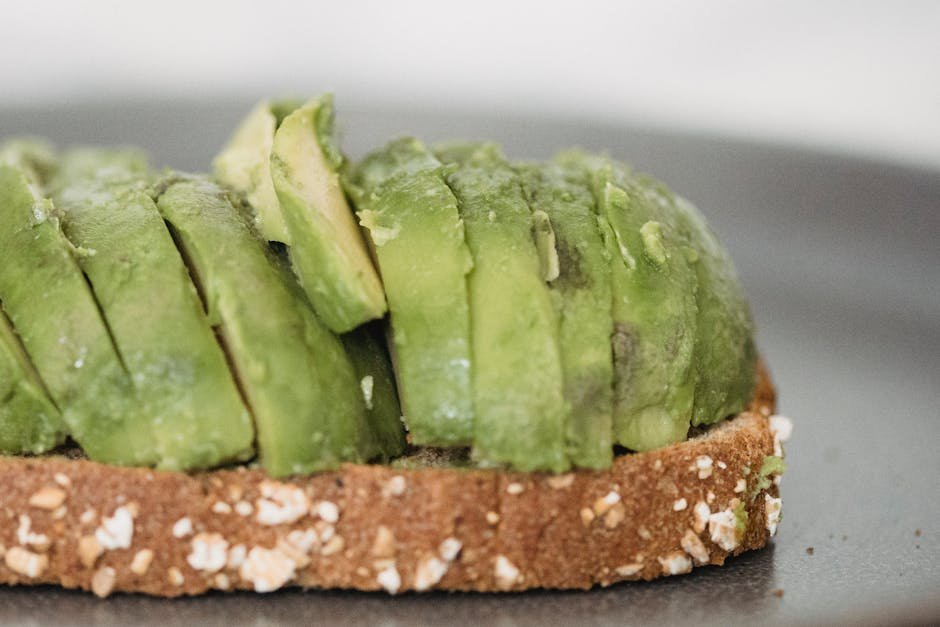
- Breakfast: Overnight oats with berries and nuts, Greek yogurt with granola and fruit, whole-wheat toast with avocado and egg, protein smoothie with spinach, banana, and almond milk.
- Lunch: Salad with grilled chicken or chickpeas, whole-wheat wrap with hummus, vegetables, and lean protein, leftover dinner, quinoa bowl with roasted vegetables and tofu.
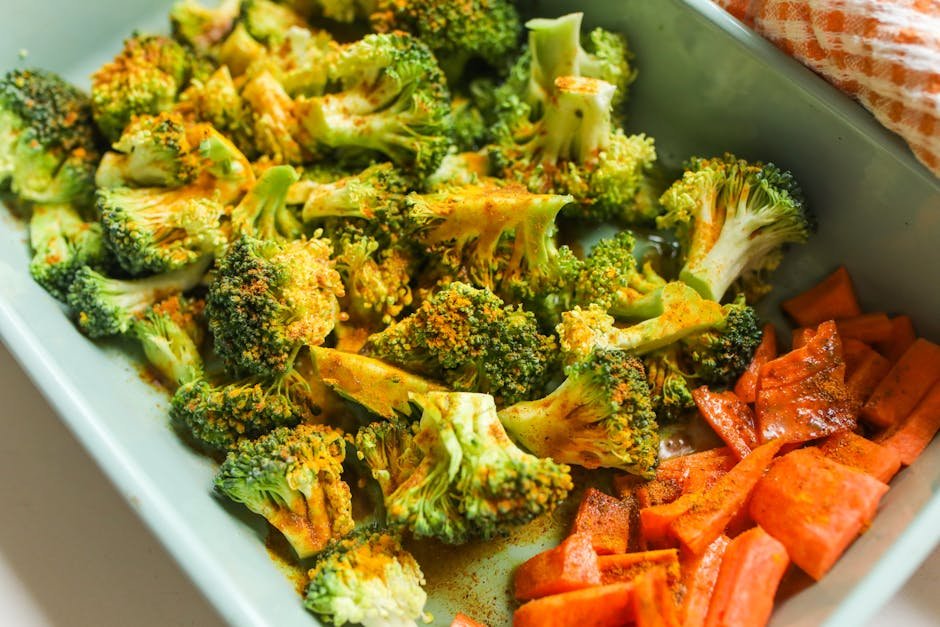
- Dinner: Sheet pan chicken and vegetables, one-pot pasta with vegetables and sausage, lentil soup, salmon with roasted broccoli and sweet potato, stir-fry with brown rice and tofu.
- Snacks: Fruits, vegetables with hummus, nuts, seeds, yogurt, hard-boiled eggs, protein bars (choose wisely with low sugar content), air-popped popcorn.
Hydration: The Often-Overlooked Key to Well-being
Staying adequately hydrated is crucial for overall health and energy levels, especially when you’re busy. Carry a reusable water bottle with you throughout the day and aim to refill it several times. Consider setting reminders on your phone to drink water regularly. Infuse your water with fruits, vegetables, or herbs like lemon, cucumber, or mint for added flavor and nutrients. Avoid sugary drinks like soda and juice, as they can lead to energy crashes and weight gain.
Dining Out Strategically: Making Healthier Choices at Restaurants
Even with careful meal planning, dining out is sometimes unavoidable. When eating at restaurants, make conscious choices to minimize the impact on your health:
- Review the Menu Online: Before arriving at the restaurant, review the menu online and identify healthier options.
- Choose Lean Proteins: Opt for grilled, baked, or steamed proteins like chicken, fish, or tofu.
- Request Modifications: Don’t hesitate to ask for modifications, such as substituting fries for a side salad or requesting sauces on the side.
- Watch Portion Sizes: Be mindful of portion sizes and consider sharing a meal with a friend or taking leftovers home.
- Avoid Fried Foods: Limit your consumption of fried foods, which are typically high in calories and unhealthy fats.
- Choose Water or Unsweetened Beverages: Order water or unsweetened beverages instead of sugary drinks.
Prioritizing Sleep and Stress Management
Nutrition is only one piece of the puzzle. Adequate sleep and effective stress management are equally important for maintaining overall well-being. Lack of sleep can disrupt hormones that regulate appetite, leading to increased cravings for unhealthy foods. Chronic stress can also trigger unhealthy eating habits. Prioritize getting 7-8 hours of sleep per night and practice stress-reducing techniques like meditation, yoga, or deep breathing exercises.
Seeking Professional Guidance
If you’re struggling to implement healthy eating habits on your own, consider seeking guidance from a registered dietitian or nutritionist. These professionals can provide personalized recommendations based on your individual needs and goals. They can also help you navigate dietary restrictions, manage chronic health conditions, and develop a sustainable eating plan that fits your busy lifestyle.