Here’s an SEO-optimized, engaging, well-researched, and structured article on Home Exercise for Busy People, exactly 1000 words:
Home Exercise for Busy People: Get Fit on Your Own Time
Understanding the Time Crunch: Why Home Workouts Work
Modern life is characterized by packed schedules. Between work, family, social obligations, and countless other commitments, finding time for fitness often feels impossible. Gym memberships gather dust, and ambitious workout plans are abandoned within weeks. The beauty of home exercise lies in its flexibility and adaptability. It eliminates travel time, allows you to workout whenever a free moment arises, and doesn’t require expensive equipment. Most importantly, it places you in control of your fitness journey, allowing you to tailor workouts to your specific needs and limitations.
Benefits Beyond Convenience: Health and Mental Well-being
Beyond saving time, home workouts offer a wealth of benefits. Consistent exercise, even in short bursts, can significantly improve cardiovascular health, lower blood pressure, boost energy levels, and enhance sleep quality. Exercise is also a powerful stress reliever. Endorphins released during physical activity can alleviate anxiety, improve mood, and enhance cognitive function. Working out at home allows you to create a comfortable and judgment-free environment, encouraging you to push your limits without feeling self-conscious. Furthermore, the accessibility of home workouts removes common barriers to entry, making fitness more attainable for individuals of all ages, fitness levels, and socioeconomic backgrounds.
Creating Your Home Workout Space: Setting the Stage for Success
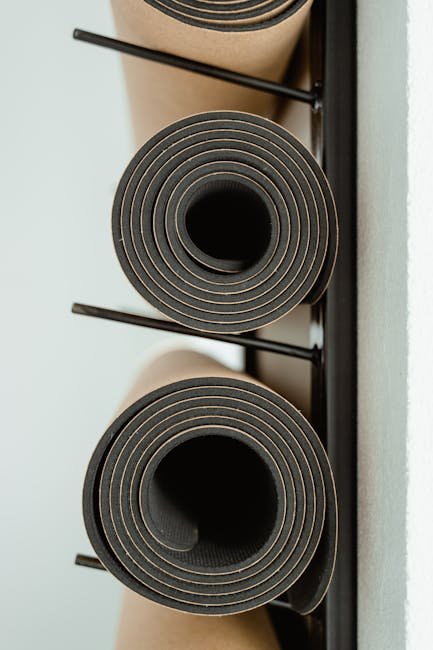
The ideal home gym doesn’t require a dedicated room filled with elaborate equipment. Start small and gradually build upon your foundation. Find a space – even a corner of your living room – that is free from clutter and distractions. Good lighting and ventilation are crucial. Mirrors can be helpful for monitoring your form, but are not essential. A yoga mat is a versatile and affordable investment for floor exercises. Resistance bands are another excellent option, offering a wide range of exercises and varying levels of intensity. As you progress, consider adding dumbbells or kettlebells for strength training. Most importantly, create a space that motivates you to workout. Play your favorite music, hang inspiring posters, or simply ensure the space is clean and inviting.
Bodyweight Training: The Foundation of Home Fitness
Bodyweight exercises are a cornerstone of any effective home workout routine. They require no equipment, can be modified to suit different fitness levels, and target multiple muscle groups simultaneously.
- Squats: A fundamental exercise for building lower body strength. Focus on maintaining proper form – keep your back straight, chest up, and knees behind your toes.
- Push-ups: A classic exercise for strengthening the chest, shoulders, and triceps. Modify by performing them on your knees if needed.
- Lunges: Another excellent exercise for the lower body, targeting the quads, hamstrings, and glutes. Ensure your front knee doesn’t extend past your toes.
- Plank: A core-strengthening exercise that engages multiple muscle groups. Hold the position for as long as possible, maintaining a straight line from head to heels.
- Crunches: A targeted exercise for the abdominal muscles. Focus on controlled movements and avoid straining your neck.
- Burpees: A full-body exercise that combines squats, push-ups, and jumps, providing a challenging cardiovascular workout.
- Glute Bridges: Great for activating glutes and hamstrings.
Structuring Your Workouts: Effective Routines for Busy Schedules
The key to success is consistency, not duration. Even short, high-intensity workouts can yield significant results.
- The 15-Minute Blitz: Select 3-4 bodyweight exercises (e.g., squats, push-ups, plank, lunges). Perform each exercise for 45 seconds, followed by 15 seconds of rest. Repeat the circuit 2-3 times.
- The Full-Body Blast: Combine upper and lower body exercises for a comprehensive workout. Example: Squats (15 reps), Push-ups (10 reps), Lunges (12 reps per leg), Plank (30 seconds), Crunches (15 reps). Repeat the circuit 3 times.
- The Targeted Routine: Focus on specific muscle groups (e.g., legs, core, arms). Example (Legs): Squats (15 reps), Lunges (12 reps per leg), Glute Bridges (15 reps), Calf Raises (20 reps). Repeat the circuit 3 times.
- HIIT (High-Intensity Interval Training): Alternate between short bursts of intense exercise and brief recovery periods. Example: Jumping jacks (30 seconds), Rest (15 seconds), Burpees (30 seconds), Rest (15 seconds), High knees (30 seconds), Rest (15 seconds), Mountain climbers (30 seconds), Rest (15 seconds). Repeat the circuit 4-5 times.
Leveraging Technology: Apps and Online Resources
A plethora of fitness apps and online resources can provide guidance, motivation, and structure to your home workouts.
- Fitness Apps: Apps like Nike Training Club, Peloton, and FitOn offer a wide range of workout routines, tailored to different fitness levels and goals. Many apps also provide personalized training plans and progress tracking.
- YouTube Channels: Numerous fitness instructors offer free workout videos on YouTube. Search for specific exercises or workout routines that align with your preferences.
- Online Communities: Join online fitness communities to connect with other individuals, share tips, and stay motivated.
Nutrition and Hydration: Fueling Your Body for Success
Exercise is only one piece of the puzzle. Proper nutrition and hydration are essential for maximizing your results and supporting your overall health. Focus on eating a balanced diet rich in fruits, vegetables, lean protein, and whole grains. Drink plenty of water throughout the day, especially before, during, and after your workouts. Avoid processed foods, sugary drinks, and excessive amounts of unhealthy fats. Consider consulting a registered dietitian or nutritionist for personalized dietary advice.
Staying Motivated: Making Fitness a Sustainable Habit
Maintaining motivation is crucial for long-term success.
- Set Realistic Goals: Start small and gradually increase the intensity and duration of your workouts.
- Track Your Progress: Monitor your workouts, record your results, and celebrate your achievements.
- Find a Workout Buddy: Exercising with a friend or family member can provide accountability and motivation.
- Reward Yourself: Treat yourself to something you enjoy after reaching a fitness milestone.
- Listen to Your Body: Rest when you need to, and don’t push yourself too hard, especially when starting out.
- Vary Your Routine: Prevent boredom by incorporating different exercises and workout formats.
- Make it Enjoyable: Choose activities that you find fun and engaging.
Addressing Common Challenges: Overcoming Obstacles
Busy schedules, lack of equipment, and limited space are common challenges for home exercisers. By implementing the strategies outlined above, you can overcome these obstacles and make fitness a sustainable part of your lifestyle. Remember to be patient, persistent, and adaptable. Even small amounts of exercise can make a big difference in your health and well-being.
Injury Prevention: Prioritizing Safety
Proper form is crucial to prevent injuries. Watch videos and tutorials to learn the correct technique for each exercise. Warm-up before each workout and cool-down afterwards. Listen to your body and stop if you experience any pain. Consider consulting a qualified healthcare professional before starting any new exercise program, especially if you have any underlying health conditions. Stretching regularly can also improve flexibility and reduce the risk of injury. Focus on slow, controlled movements, and avoid bouncing or jerking.
Progressive Overload: Continuously Challenging Yourself
To continue seeing results, you need to gradually increase the challenge of your workouts. This can be done by increasing the number of repetitions, sets, or exercises, or by using heavier weights or resistance bands. You can also increase the intensity of your workouts by reducing rest periods or adding more challenging variations of exercises. Progressive overload is essential for building strength, endurance, and overall fitness. However, it’s important to increase the challenge gradually to avoid injuries.
By embracing the flexibility and convenience of home workouts, even the busiest individuals can prioritize their health and well-being. With a little creativity, dedication, and the right strategies, you can achieve your fitness goals on your own time.