Fitness Tips for Seniors: Staying Active and Healthy
Understanding the Importance of Senior Fitness
Maintaining an active lifestyle in later years is paramount for overall well-being. Physical activity combats age-related decline in muscle mass (sarcopenia), bone density (osteoporosis), and cardiovascular function. Regular exercise improves balance, coordination, and flexibility, significantly reducing the risk of falls, a leading cause of injury among seniors. Beyond the physical benefits, exercise offers significant mental and emotional advantages. It boosts mood, reduces stress and anxiety, improves cognitive function, and enhances social engagement, contributing to a higher quality of life.
Consulting with Healthcare Professionals
Before embarking on any new fitness regimen, consulting with a physician or physical therapist is crucial. A healthcare professional can assess individual health conditions, identify potential limitations, and provide personalized recommendations based on medical history, current medications, and fitness goals. This consultation helps ensure the chosen exercises are safe and effective, minimizing the risk of injury or exacerbation of existing health problems. They can also advise on appropriate intensity levels, duration, and frequency of workouts. Specific conditions like arthritis, heart disease, or diabetes require tailored exercise plans developed under professional guidance.
Types of Exercises for Seniors
A well-rounded fitness program for seniors should incorporate four key types of exercises:
-
Aerobic Exercise (Cardio): Activities that elevate the heart rate and improve cardiovascular health. Examples include:
-
Walking: A low-impact, easily accessible exercise. Start with short, slow walks and gradually increase the distance and pace. Consider using walking poles for added stability and upper body engagement.
-
Swimming: Provides a full-body workout with minimal impact on joints. Water aerobics classes offer structured programs suitable for various fitness levels.
-
Cycling: Stationary bikes offer a safe and controlled environment. Outdoor cycling can be enjoyed with proper safety precautions, such as wearing a helmet and choosing safe routes.
-
Dancing: A fun and social way to improve cardiovascular health, coordination, and balance. Explore different dance styles like ballroom, line dancing, or Zumba Gold.
-
-
Strength Training: Essential for maintaining muscle mass, bone density, and functional strength. Focus on exercises that work major muscle groups:
-
Bodyweight Exercises: Utilize body weight as resistance. Examples include:
- Chair Stands: Sit in a chair and stand up, then sit back down.
- Wall Push-ups: Lean against a wall and perform push-ups.
- Plank Variations: Hold a plank position (modified on knees if necessary).
-
Resistance Bands: Versatile and affordable, resistance bands provide varying levels of resistance. Utilize them for:
- Bicep Curls: Strengthening the biceps.
- Rows: Targeting the back muscles.
- Leg Extensions: Working the quadriceps.
-
Light Weights: Start with light weights (1-2 pounds) and gradually increase the weight as strength improves. Common exercises include:
- Dumbbell Bicep Curls
- Overhead Press
- Dumbbell Rows
-
-
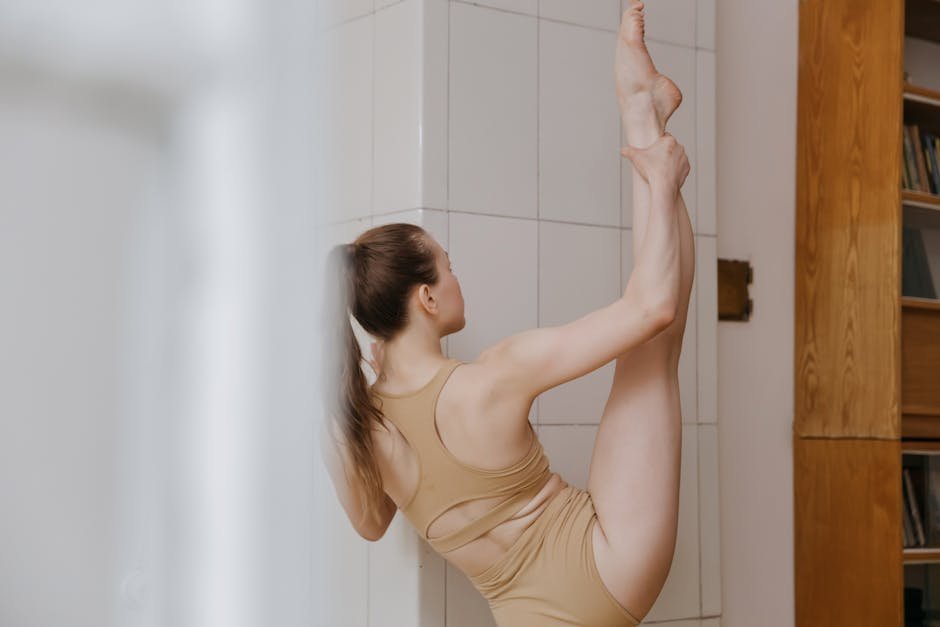
Flexibility Exercises: Improve range of motion and reduce stiffness, making daily activities easier.
-
Static Stretching: Holding a stretch for 15-30 seconds. Examples include:
- Hamstring Stretch: Sit on the floor with legs extended and reach towards your toes.
- Calf Stretch: Lean against a wall with one leg extended behind you.
- Shoulder Stretch: Reach one arm across your body and hold it with the other arm.
-
Dynamic Stretching: Moving through a range of motion. Examples include:
- Arm Circles: Rotate your arms forward and backward.
- Leg Swings: Swing your legs forward and backward.
- Torso Twists: Twist your torso from side to side.
-
Yoga and Pilates: These practices improve flexibility, strength, balance, and body awareness.
-
-
Balance Exercises: Crucial for preventing falls.
-
Single Leg Stand: Stand on one leg for 30 seconds, using a chair for support if needed.
-
Heel-to-Toe Walking: Walk in a straight line, placing the heel of one foot directly in front of the toes of the other foot.
-
Tai Chi: A gentle, flowing exercise that improves balance, coordination, and flexibility.
-
Creating a Safe Exercise Environment
Safety is paramount when exercising as a senior. Consider the following:
-
Proper Warm-up and Cool-down: Prepare the body for exercise with a 5-10 minute warm-up of light cardio and dynamic stretching. Conclude with a 5-10 minute cool-down of static stretching to improve flexibility and reduce muscle soreness.
-
Appropriate Attire: Wear comfortable clothing and supportive shoes with good traction.
-
Adequate Hydration: Drink plenty of water before, during, and after exercise.
-
Listen to Your Body: Stop exercising immediately if you experience pain, dizziness, shortness of breath, or chest pain.
-
Proper Form: Focus on maintaining proper form to avoid injuries. Consider working with a trainer or physical therapist to learn correct techniques.
-
Well-Lit and Clear Space: Ensure the exercise area is well-lit and free of obstacles that could cause falls.
-
Assistive Devices: Use assistive devices, such as walkers or canes, as needed.
Motivation and Consistency
Staying motivated and consistent is key to achieving long-term fitness goals.
-
Set Realistic Goals: Start with small, achievable goals and gradually increase the intensity and duration of workouts.
-
Find an Exercise Buddy: Exercising with a friend or family member can provide motivation and accountability.
-
Join a Senior Exercise Class: Group fitness classes offer a structured environment, social interaction, and expert guidance.
-
Make it Enjoyable: Choose activities you enjoy to make exercise a sustainable part of your lifestyle.
-
Track Progress: Monitor your progress to stay motivated and see the benefits of your efforts.
-
Reward Yourself: Celebrate milestones and achievements to stay encouraged.
Nutrition and Hydration for Active Seniors
Proper nutrition and hydration are essential for supporting an active lifestyle.
-
Balanced Diet: Consume a balanced diet rich in fruits, vegetables, whole grains, lean protein, and healthy fats.
-
Protein Intake: Ensure adequate protein intake to maintain muscle mass.
-
Calcium and Vitamin D: Consume calcium-rich foods and vitamin D supplements to support bone health.
-
Fiber Intake: Increase fiber intake to promote digestive health.
-
Hydration: Drink plenty of water throughout the day to stay hydrated.
Adapting Exercises for Different Abilities
Fitness programs should be tailored to individual abilities and limitations. Seniors with mobility issues can modify exercises to suit their needs. For example, chair exercises can be performed for those who have difficulty standing. Aquatic exercises are a good option for individuals with joint pain. Consulting with a physical therapist can help seniors adapt exercises safely and effectively.
By incorporating these fitness tips into their daily routines, seniors can maintain their physical and mental well-being, improve their quality of life, and enjoy an active and fulfilling lifestyle.