Understanding Inflammation: The Root of Many Ills
Inflammation, often painted as the villain, is a complex biological process vital for survival. It’s the body’s natural defense mechanism, a coordinated response to injury, infection, or irritation. Think of it as the immune system’s army, mobilized to repair damaged tissue, fight off pathogens, and initiate healing. However, when inflammation becomes chronic, persistent, and uncontrolled, it morphs from protector to aggressor. This chronic inflammation is implicated in a vast array of health problems, including heart disease, arthritis, Alzheimer’s disease, type 2 diabetes, autoimmune disorders, and even certain cancers.
Two main types of inflammation exist: acute and chronic. Acute inflammation is the immediate, short-term response, characterized by redness, swelling, heat, and pain. A sprained ankle or a cut on your finger triggers acute inflammation, and it typically resolves within days or weeks as the body heals. Chronic inflammation, on the other hand, is a long-term, low-grade inflammation that can persist for months or even years. It often arises from factors like persistent infections, autoimmune disorders, chronic stress, environmental toxins, and, significantly, diet.
The modern Western diet, typically high in processed foods, refined sugars, unhealthy fats, and lacking in essential nutrients, is a major contributor to chronic inflammation. This dietary pattern fuels the inflammatory cascade, creating a vicious cycle that perpetuates the problem. Conversely, a diet rich in anti-inflammatory foods can help modulate the inflammatory response, reduce the risk of chronic diseases, and promote overall health and well-being. Shifting towards an anti-inflammatory diet isn’t about restrictive dieting; it’s about making informed choices that support your body’s natural healing processes.
The Power of Anti-Inflammatory Foods: Your Natural Allies
Fortunately, nature provides a wealth of potent anti-inflammatory foods packed with antioxidants, phytonutrients, and essential fatty acids that can help quell the fires of inflammation. These foods work synergistically to neutralize free radicals, modulate inflammatory pathways, and support a healthy immune system. Incorporating these into your daily diet is a proactive step towards better health.
1. Fatty Fish: Omega-3 Rich Warriors
Fatty fish like salmon, tuna, mackerel, sardines, and herring are nutritional powerhouses, brimming with omega-3 fatty acids, specifically EPA (eicosapentaenoic acid) and DHA (docosahexaenoic acid). These omega-3s are essential for reducing inflammation. They work by being converted into resolvins and protectins, powerful anti-inflammatory compounds that help resolve inflammation and protect against cellular damage. Aim for at least two servings of fatty fish per week. Opt for wild-caught varieties whenever possible, as they tend to have higher omega-3 content. If fish isn’t your thing, consider a high-quality fish oil supplement, ensuring it’s third-party tested for purity and potency.
2. Berries: Antioxidant Bombs
Berries, including blueberries, strawberries, raspberries, and blackberries, are veritable antioxidant bombs. They are loaded with anthocyanins, potent plant pigments that give them their vibrant colors and possess remarkable anti-inflammatory properties. Anthocyanins help neutralize free radicals, reduce oxidative stress, and modulate inflammatory signaling pathways. Studies have shown that regular consumption of berries can reduce markers of inflammation, improve blood sugar control, and protect against heart disease and neurodegenerative diseases. Enjoy berries as a snack, add them to your breakfast cereal or yogurt, or blend them into smoothies.
3. Cruciferous Vegetables: Sulfur-Containing Champions
Cruciferous vegetables like broccoli, cauliflower, Brussels sprouts, kale, and cabbage are packed with glucosinolates, sulfur-containing compounds that are converted into isothiocyanates in the body. Isothiocyanates have been shown to possess potent anti-inflammatory and anticancer properties. They work by activating detoxification enzymes, reducing oxidative stress, and inhibiting inflammatory signaling pathways. Broccoli, in particular, is rich in sulforaphane, a well-studied isothiocyanate with significant anti-inflammatory effects. Incorporate a variety of cruciferous vegetables into your diet regularly through steaming, roasting, or stir-frying.
4. Avocado: Monounsaturated Fat Master
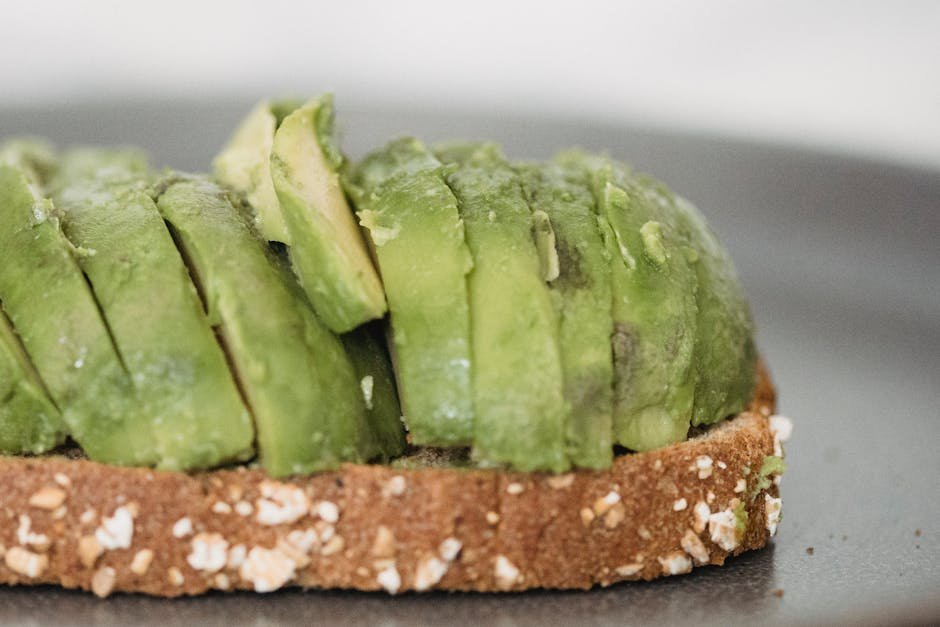
Avocados are a creamy, delicious, and nutrient-dense fruit rich in monounsaturated fats, particularly oleic acid. Oleic acid has been shown to have anti-inflammatory effects, potentially by reducing the production of inflammatory cytokines. Avocados are also a good source of vitamin E, which acts as an antioxidant and helps protect cells from damage. Enjoy avocado as a spread on toast, add it to salads, or blend it into smoothies for a healthy dose of anti-inflammatory fats and nutrients.
5. Green Tea: Polyphenol Powerhouse
Green tea is a popular beverage packed with polyphenols, particularly epigallocatechin gallate (EGCG), a potent antioxidant and anti-inflammatory compound. EGCG has been shown to inhibit the production of inflammatory cytokines and protect against oxidative stress. Regular consumption of green tea has been linked to a reduced risk of heart disease, certain cancers, and neurodegenerative diseases. Opt for unsweetened green tea and aim for 2-3 cups per day to reap its anti-inflammatory benefits.
6. Turmeric: Curcumin’s Golden Touch
Turmeric, a vibrant yellow spice commonly used in Indian cuisine, contains curcumin, a potent anti-inflammatory compound. Curcumin has been shown to inhibit several key inflammatory pathways in the body. It can help reduce pain and inflammation associated with arthritis, improve digestive health, and protect against certain cancers. However, curcumin is poorly absorbed on its own. To enhance absorption, consume turmeric with black pepper, which contains piperine, a compound that significantly increases curcumin bioavailability. Consider adding turmeric to curries, soups, or smoothies.
7. Olive Oil: Extra Virgin’s Liquid Gold
Extra virgin olive oil (EVOO) is a staple of the Mediterranean diet, renowned for its health benefits. It is rich in monounsaturated fats, particularly oleic acid, and antioxidants, including oleocanthal. Oleocanthal has been shown to possess anti-inflammatory properties similar to ibuprofen, a common over-the-counter pain reliever. Use EVOO as your primary cooking oil and salad dressing. Opt for high-quality EVOO with a pungent aroma and peppery taste, indicating a higher concentration of oleocanthal.
8. Ginger: Zesty Anti-Inflammatory Root
Ginger, a pungent and flavorful root, contains gingerol, a potent anti-inflammatory compound. Gingerol has been shown to inhibit the production of inflammatory cytokines and reduce pain associated with arthritis and muscle soreness. Enjoy ginger in teas, stir-fries, soups, or smoothies. You can also add grated ginger to salad dressings or marinades.
9. Nuts and Seeds: Healthy Fat Snacks
Nuts and seeds, such as almonds, walnuts, flaxseeds, and chia seeds, are packed with healthy fats, fiber, and antioxidants. Walnuts are particularly rich in omega-3 fatty acids, while flaxseeds and chia seeds are excellent sources of fiber and lignans, which have antioxidant and anti-inflammatory properties. Enjoy nuts and seeds as a snack, add them to your breakfast cereal or yogurt, or sprinkle them on salads.
10. Dark Leafy Greens: Nutrient-Dense Powerhouses
Dark leafy greens, such as spinach, kale, collard greens, and Swiss chard, are nutritional powerhouses packed with vitamins, minerals, and antioxidants. They are particularly rich in vitamin K, which plays a role in reducing inflammation. These greens also contain antioxidants like carotenoids, which help protect cells from damage. Incorporate dark leafy greens into your salads, smoothies, or stir-fries for a boost of anti-inflammatory nutrients.
By prioritizing these anti-inflammatory foods and minimizing processed foods, refined sugars, and unhealthy fats, you can take a proactive approach to managing inflammation and promoting optimal health. Remember that diet is just one piece of the puzzle. Stress management, regular exercise, adequate sleep, and avoiding smoking and excessive alcohol consumption are also crucial for reducing inflammation and supporting overall well-being.